
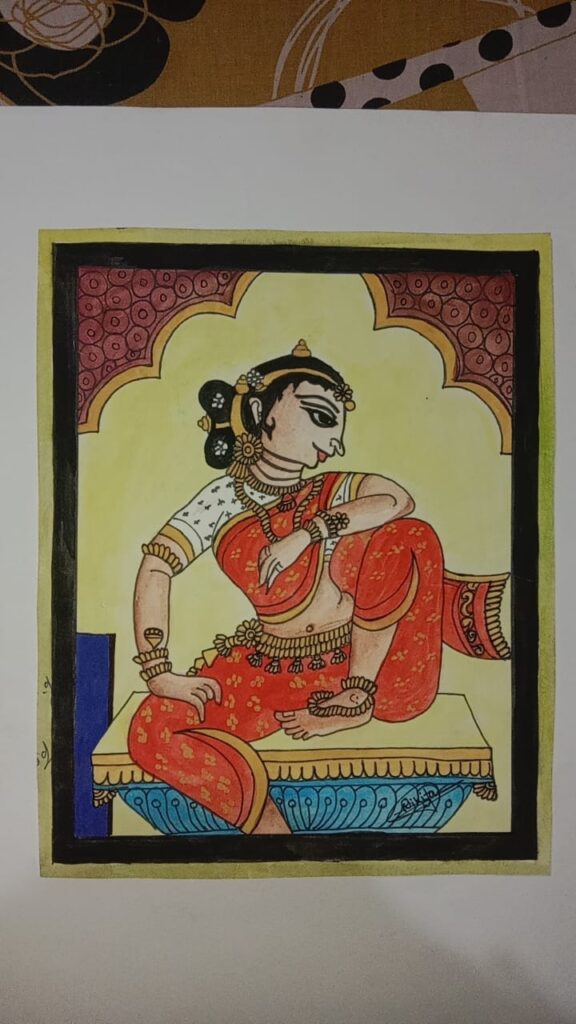
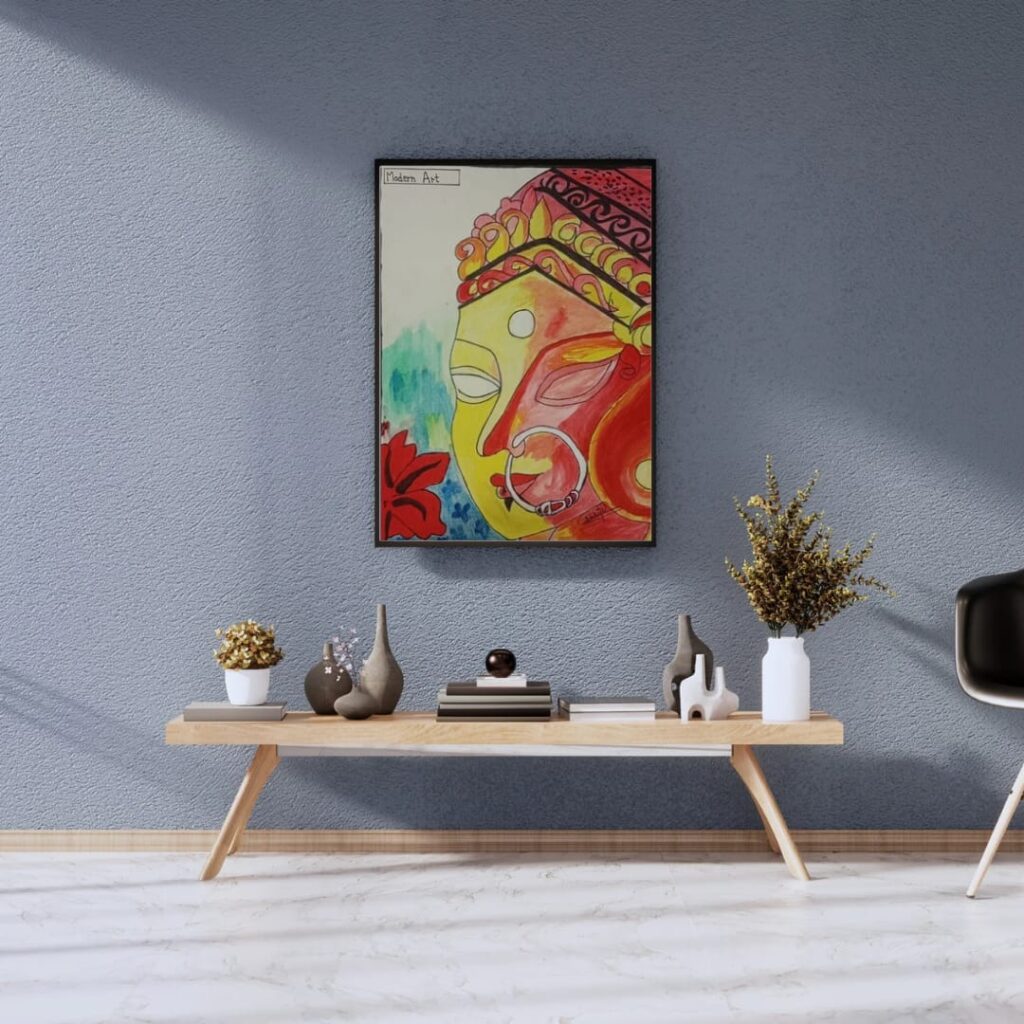
Indian folk art भारत केवल एक देश नहीं, बल्कि रंगों, परंपराओं, कहानियों और भावनाओं का जीवंत कैनवास है। यहाँ की कला केवल सजावट नहीं, बल्कि जीवन जीने का तरीका है। Indian Art सदियों से समाज, धर्म, संस्कृति और प्रकृति का प्रतिबिंब रही है। विशेष रूप से Indian Folk Art, जैसे कि Madhubani Art और Pattachitra Art, भारत की सांस्कृतिक पहचान को दुनिया भर में स्थापित करती हैं। वहीं दूसरी ओर, Modern Art और Portrait Art ने भारतीय कला को वैश्विक मंच पर एक नई दिशा दी है।
1. Indian Folk Art: भारत की जड़ों से जुड़ी कला
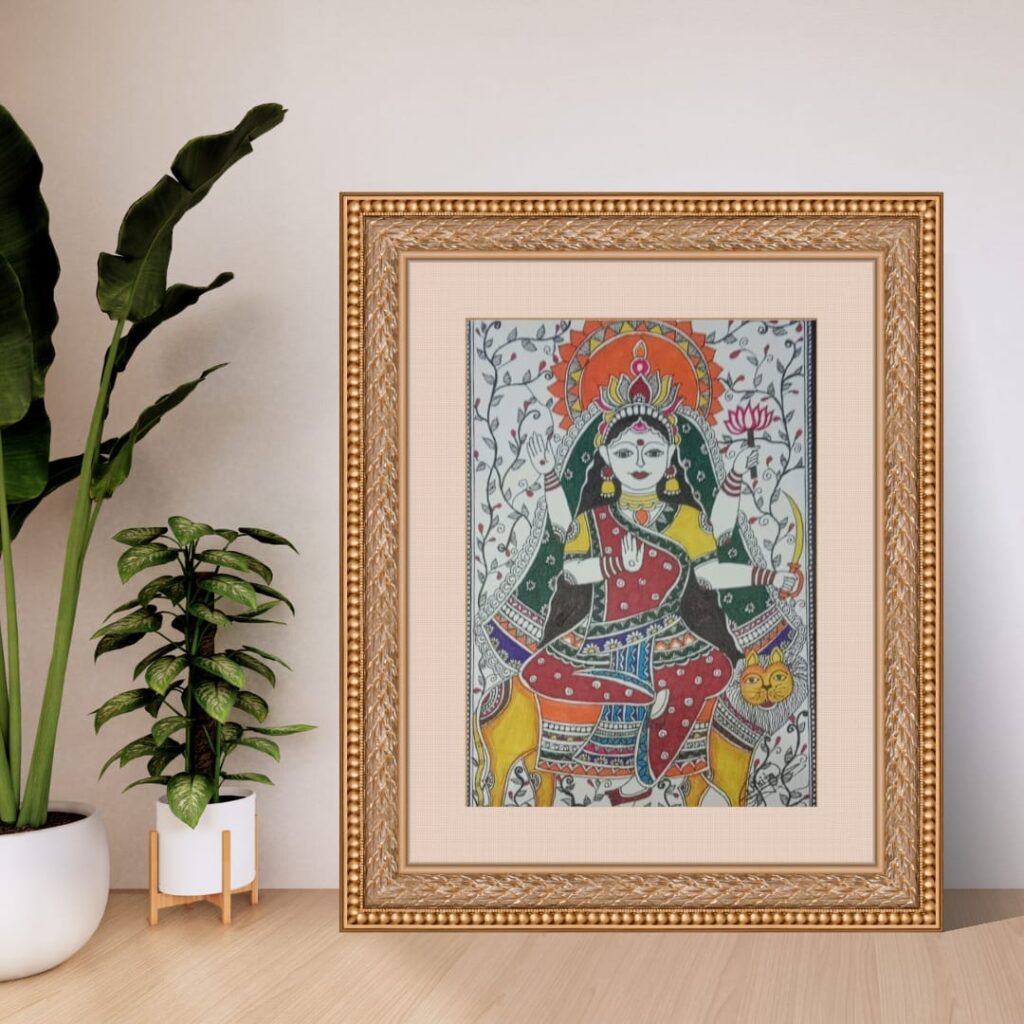
Indian Folk Art वह कला है जो ग्रामीण क्षेत्रों, जनजातीय समुदायों और पारंपरिक समाजों से जन्मी है। यह कला केवल सौंदर्य के लिए नहीं, बल्कि धार्मिक आस्था, सामाजिक परंपराओं और लोककथाओं को दर्शाने के लिए बनाई जाती थी।
Folk Art भारत की traditional culture ka एक महत्वपूर्ण हिस्सा है। Folk Art उन art forms को कहा जाता है जो गाँवों और local communities द्वारा पीढ़ी दर पीढ़ी practice की जाती हैं। यह art किसी formal training पर आधारित नहीं होती, बल्कि यह social customs, rituals, festivals और daily life से जुड़ी होती है। Folk Art में simplicity और symbolism का विशेष महत्व होता है। इसमें natural colors, handmade tools और local materials का उपयोग किया जाता है। भारत के अलग-अलग राज्यों में अलग प्रकार की Folk Art देखने को मिलती है, जैसे Madhubani, Warli, Pattachitra और Rajasthani painting। Folk Art का मुख्य उद्देश्य decoration के साथ-साथ cultural values और traditions को preserve करना होता है। यह art लोगों की beliefs, emotions और community life को दर्शाती है। Folk Art में अक्सर mythological stories, animals, nature और village scenes को depict किया जाता है। Modern time में भी Folk Art की popularity बढ़ रही है और artists इसे contemporary style के साथ present कर रहे हैं। इस प्रकार Folk Art हमारी cultural identity और heritage का महत्वपूर्ण प्रतीक है।
Folk Art की मुख्य विशेषताएँ:
प्राकृतिक रंगों का उपयोग
धार्मिक और पौराणिक विषय
सरल लेकिन प्रतीकात्मक डिज़ाइन
पारंपरिक तकनीकें
पीढ़ी दर पीढ़ी हस्तांतरण
Folk Art में कलाकारों का नाम कम और परंपरा का महत्व अधिक होता है। यह सामूहिक पहचान की कला है।
2. Madhubani Art: मिथिला की रंगीन विरासत
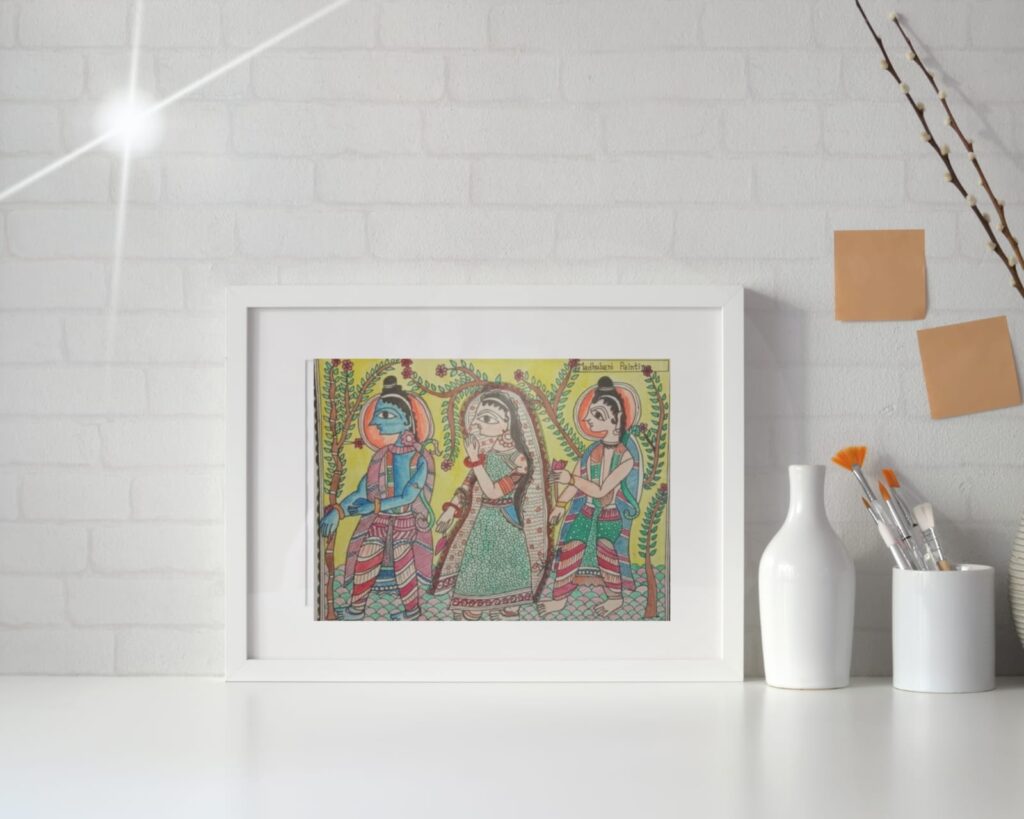
Madhubani Art, जिसे Mithila Art भी कहा जाता है, बिहार के मिथिला क्षेत्र से उत्पन्न हुई है। यह कला मुख्य रूप से महिलाओं द्वारा की जाती थी और विवाह, त्योहारों और धार्मिक अवसरों पर घर की दीवारों पर बनाई जाती थी। Madhubani Painting भारत की एक प्रसिद्ध Folk Art है, जिसका origin Madhubani, Bihar में हुआ। इसे Mithila Art भी कहा जाता है। यह painting tradition प्राचीन समय से women artists द्वारा घर की walls और floors पर बनाई जाती थी, विशेष रूप से festivals और marriages के अवसर पर। Madhubani Painting की मुख्य विशेषता इसकी intricate patterns, bold outlines और bright colors हैं। इसमें natural dyes और pigments का उपयोग किया जाता है, जो flowers, leaves और soil से बनाए जाते हैं। इस art form में mythological themes जैसे Ramayana, Krishna Leela, Goddess Durga और nature elements जैसे sun, moon, fish और peacock को depict किया जाता है। Madhubani Painting में खाली जगह नहीं छोड़ी जाती, पूरा surface decorative patterns से भर दिया जाता है। आज के समय में यह art form paper, canvas और fabric पर भी बनाई जाती है और international level पर भी popular हो चुकी है। Madhubani Painting भारतीय tradition, devotion और creativity का सुंदर उदाहरण है।
Madhubani Art की विशेषताएँ:
डबल लाइन बॉर्डर
ज्यामितीय पैटर्न
भराव (Fillings) में जटिल डिज़ाइन
प्राकृतिक रंगों का प्रयोग (हल्दी, नीम, फूलों से बने रंग)
विषय: राम-सीता विवाह, कृष्ण लीला, देवी-देवता, प्रकृति
Madhubani Art केवल सजावट नहीं, बल्कि एक सामाजिक अभिव्यक्ति है। इसमें स्त्री जीवन, विवाह, उर्वरता (Fertility), प्रेम और भक्ति का सुंदर चित्रण मिलता है।
आज Madhubani Art Canvas, Fabric, Saree, Home Decor और International Art Exhibitions में भी दिखाई देती है। इसने ग्रामीण महिलाओं को आर्थिक आत्मनिर्भरता भी दी है।
3. Pattachitra Art: ओडिशा की कथा चित्रकला
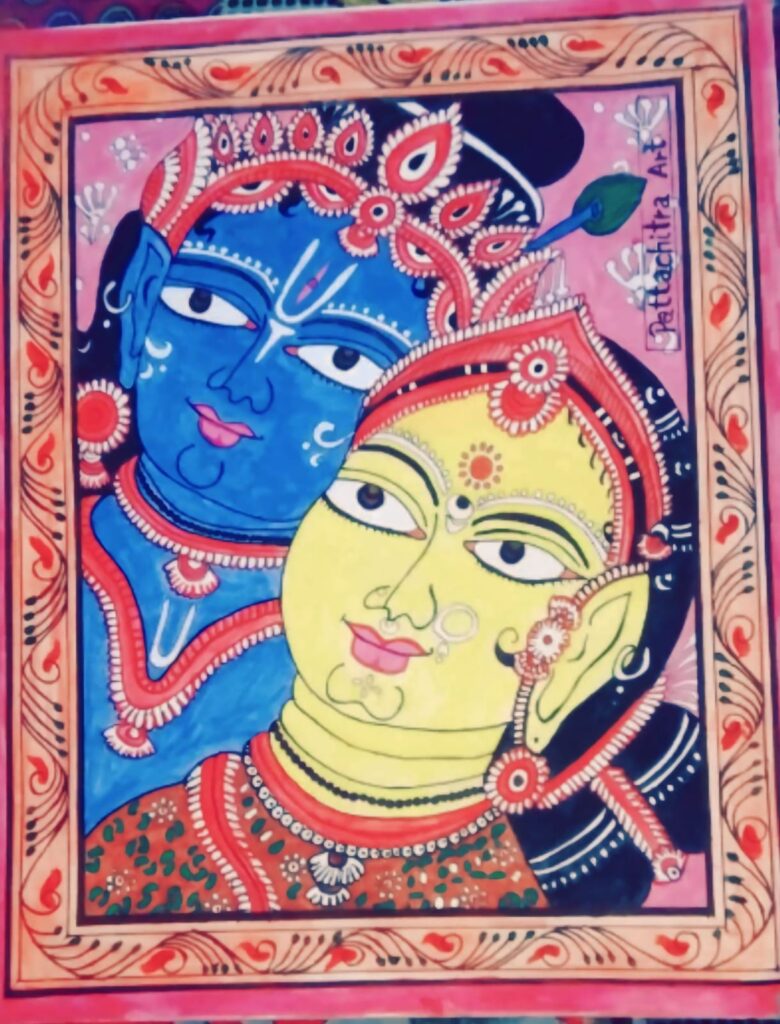
Pattachitra Art ओडिशा और पश्चिम बंगाल की एक पारंपरिक कला है। “Patta” का अर्थ है कपड़ा और “Chitra” का अर्थ है चित्र। यह कला मुख्य रूप से भगवान Jagannath, Krishna, और पौराणिक कथाओं पर आधारित होती है। Pattachitra भारत की एक प्राचीन Folk Art है, जिसका origin मुख्य रूप से Odisha और West Bengal में हुआ। “Patta” का अर्थ cloth और “Chitra” का अर्थ picture होता है, अर्थात cloth पर बनाई गई painting। यह art form विशेष रूप से religious themes पर आधारित होती है। इसमें भगवान Jagannath, Krishna Leela और Ramayana की stories को depict किया जाता है। Pattachitra की मुख्य विशेषता इसकी bold outlines, decorative borders और bright natural colors हैं। Traditional artists natural pigments का उपयोग करते हैं, जो stones, flowers और conch shells से बनाए जाते हैं। Painting बनाने से पहले cloth को chalk और gum से prepare किया जाता है ताकि surface smooth हो सके। Pattachitra में intricate detailing और fine brushwork बहुत महत्वपूर्ण होते हैं। इस art form में symmetry और balance पर विशेष ध्यान दिया जाता है। आज के समय में Pattachitra केवल religious art तक सीमित नहीं है, बल्कि decorative items और souvenirs के रूप में भी बनाई जाती है। यह Indian tradition, devotion और craftsmanship का सुंदर उदाहरण है।
Pattachitra Art की विशेषताएँ:
सूक्ष्म (Fine) रेखाएँ
प्राकृतिक रंगों का उपयोग
धार्मिक कथाओं का विस्तृत चित्रण
सजावटी बॉर्डर
संतुलित संरचना (Composition)
Pattachitra में हर चित्र एक कहानी कहता है। कलाकार महीनों तक एक पेंटिंग पर काम करते हैं। यह कला भक्ति (Devotion) और धैर्य का प्रतीक है।
आज Pattachitra को Global Art Market में पहचान मिल रही है। यह Traditional Art होने के साथ-साथ Cultural Tourism का भी महत्वपूर्ण हिस्सा बन चुकी है।
4. Folk Art का सामाजिक और सांस्कृतिक महत्व
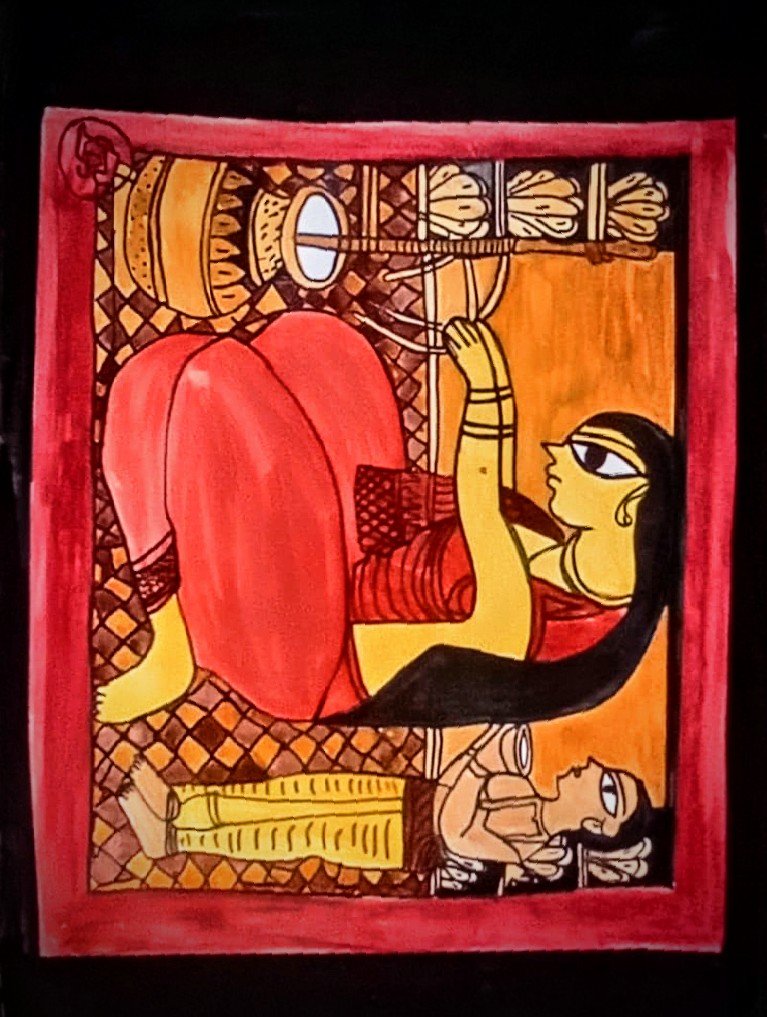
Indian Folk Art केवल चित्र नहीं, बल्कि समाज का दस्तावेज (Documentation) है। Folk art भारत की cultural identity का बहुत important हिस्सा है। Folk art उन traditional art forms को कहते हैं जो गाँवों और local communities में पीढ़ी दर पीढ़ी practice की जाती हैं। यह art सिर्फ decoration नहीं बल्कि लोगों की beliefs, rituals और daily life को express करती है। India के अलग-अलग regions में अलग styles की folk art मिलती हैं, जैसे Madhubani से जुड़ी Madhubani painting और Rajasthan की Rajasthani painting। Madhubani art में natural colors और fine lines का use होता है, और इसमें nature, gods, animals और festivals को detailed patterns के साथ draw किया जाता है। Rajasthani painting में royal life, kings, queens और historical stories को bright colors और decorative background के साथ दिखाया जाता है। Portrait sketching भी art का एक important form है जिसमें pencil, charcoal या ink से किसी व्यक्ति का realistic face draw किया जाता है। Portrait sketching में proportion, shading और facial expression पर खास ध्यान दिया जाता है ताकि personality और emotion clearly दिख सके। ये सभी art forms creativity, tradition और cultural values को represent करते हैं और आज भी artists इन्हें modern style के साथ practice कर रहे हैं।
इसका महत्व:
सांस्कृतिक पहचान को बनाए रखना
लोककथाओं और इतिहास को सुरक्षित रखना
ग्रामीण अर्थव्यवस्था को मजबूत करना
महिला सशक्तिकरण (Women Empowerment)
Folk Art में प्रकृति के साथ गहरा संबंध दिखाई देता है। पेड़-पौधे, सूर्य, चंद्रमा, जानवर, पक्षी — सब जीवन के प्रतीक हैं।
5. Modern Art: अभिव्यक्ति की नई दिशा
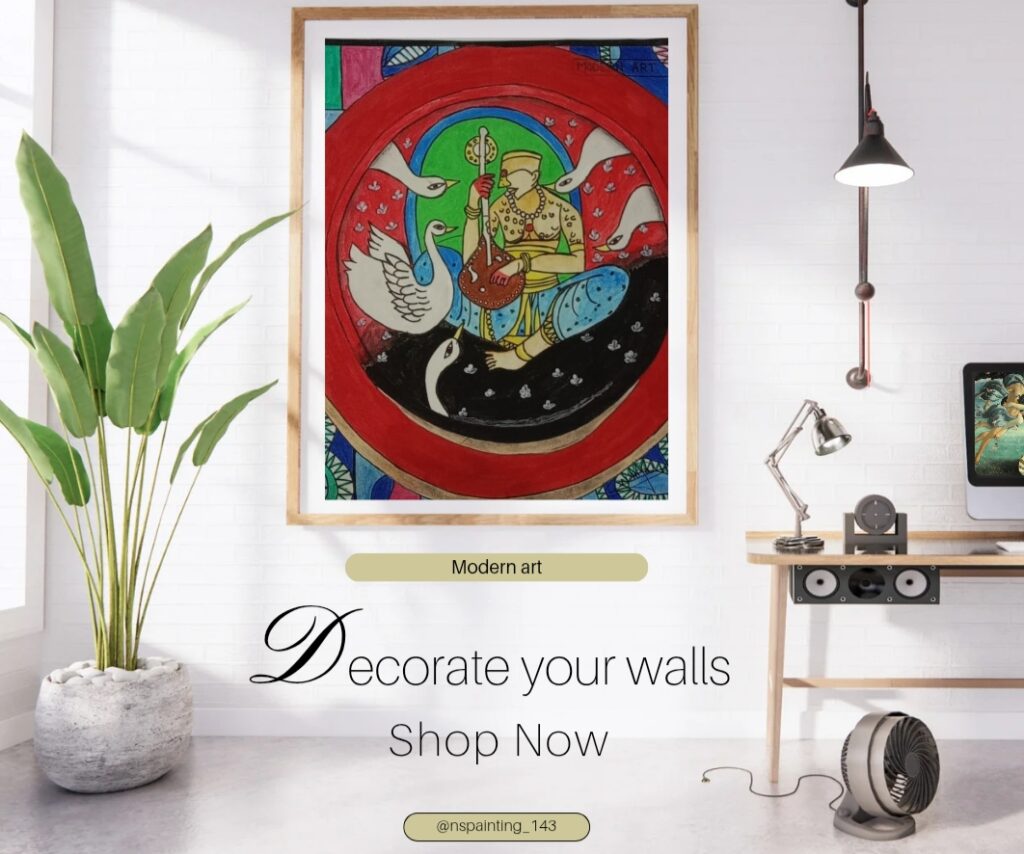
जब भारत में औद्योगिकीकरण और पश्चिमी प्रभाव बढ़ा, तब कला में भी बदलाव आया। Modern Art ने परंपरागत नियमों को चुनौती दी और कलाकारों को स्वतंत्र अभिव्यक्ति (Freedom of Expression) दी। Modern Art एक ऐसी art movement है जो traditional styles से हटकर नई techniques, ideas और experimentation पर आधारित है। इसका development 19th और 20th century में हुआ, खासकर Europe में। Modern Art का focus realistic representation से ज्यादा artist की imagination, emotions और individual expression पर होता है। Famous movements जैसे Impressionism, Cubism और Surrealism Modern Art के अंतर्गत आते हैं। Indian context में भी Modern Art ने महत्वपूर्ण स्थान बनाया, विशेष रूप से Progressive Artists’ Group के माध्यम से। इस group के प्रमुख artist M. F. Husain, S. H. Raza और F. N. Souza थे। Modern Art में abstract forms, bold colors और symbolic images का उपयोग किया जाता है। इसमें nature, society, politics और human emotions को नए दृष्टिकोण से present किया जाता है। Modern Art traditional rules को follow नहीं करती, बल्कि creativity और innovation को महत्व देती है। आज के समय में Modern Art painting, sculpture, installation और digital media तक फैल चुकी है। यह art form freedom of expression और contemporary thinking का प्रतीक है।
Modern Art की विशेषताएँ:
Abstract Forms
Bold Colors
Concept-based Art
Individual Expression
Experimentation
Modern Art में कलाकार अपनी भावनाओं, राजनीतिक विचारों, सामाजिक मुद्दों और व्यक्तिगत अनुभवों को चित्रों के माध्यम से व्यक्त करता है।
भारत में Raja Ravi Varma, Amrita Sher-Gil, M.F. Husain, और Tyeb Mehta जैसे कलाकारों ने Modern Indian Art को नई ऊँचाइयों तक पहुँचाया।
6. Portrait Art: भावनाओं का चेहरा
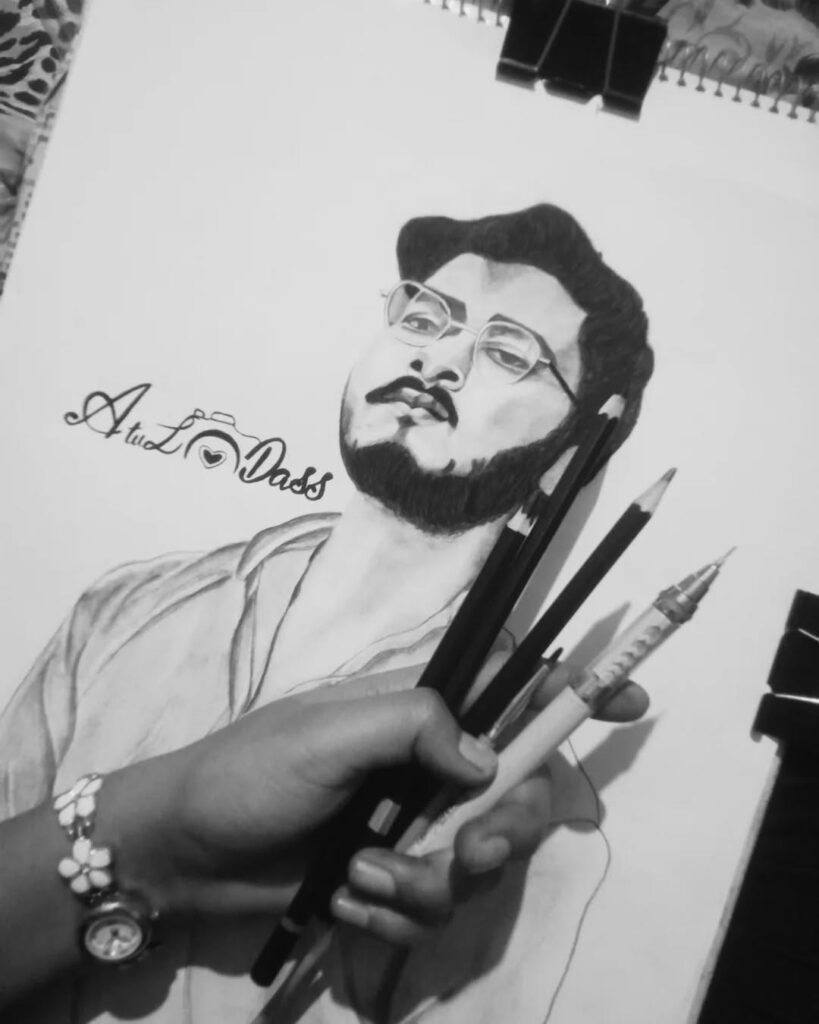
Portrait Art किसी व्यक्ति की छवि को दर्शाने वाली कला है। यह केवल चेहरे का चित्रण नहीं, बल्कि उसकी भावनाओं, व्यक्तित्व और आत्मा को दर्शाने का प्रयास है। Portrait Sketching एक important drawing technique है जिसमें किसी व्यक्ति के face और expression को realistic तरीके से draw किया जाता है। यह art form observation skill और practice पर आधारित होती है। Portrait Sketching में artist pencil, charcoal या graphite का उपयोग करता है। इसमें proportion, shading, light and shadow और facial features पर विशेष ध्यान दिया जाता है। Eyes, nose, lips और hair की detailing portrait को realistic बनाती है। Correct proportion बहुत जरूरी होता है, क्योंकि face का balance और symmetry इसी पर निर्भर करता है। Shading technique depth और dimension create करती है, जिससे drawing three-dimensional दिखाई देती है। Portrait Sketching केवल outer appearance नहीं दिखाती, बल्कि personality और emotion को भी express करती है। Great artists ने Portrait Sketching के माध्यम से historical personalities और common people की images को immortal बनाया है। आज के समय में portrait sketching traditional art के साथ-साथ digital medium में भी की जाती है। यह art form creativity, patience और concentration को विकसित करती है।
Portrait Art के प्रकार:
Realistic Portrait
Digital Portrait
Abstract Portrait
Contemporary Portrait
आज के समय में Portrait Art Photography, Digital Illustration और Acrylic Painting के माध्यम से भी की जाती है।
Portrait Art का महत्व इसलिए भी है क्योंकि यह इतिहास को जीवंत रखती है। राजा-महाराजाओं से लेकर स्वतंत्रता सेनानियों तक, Portrait Art ने व्यक्तित्वों को अमर बनाया है।
7. Traditional Art और Modern Art का संगम
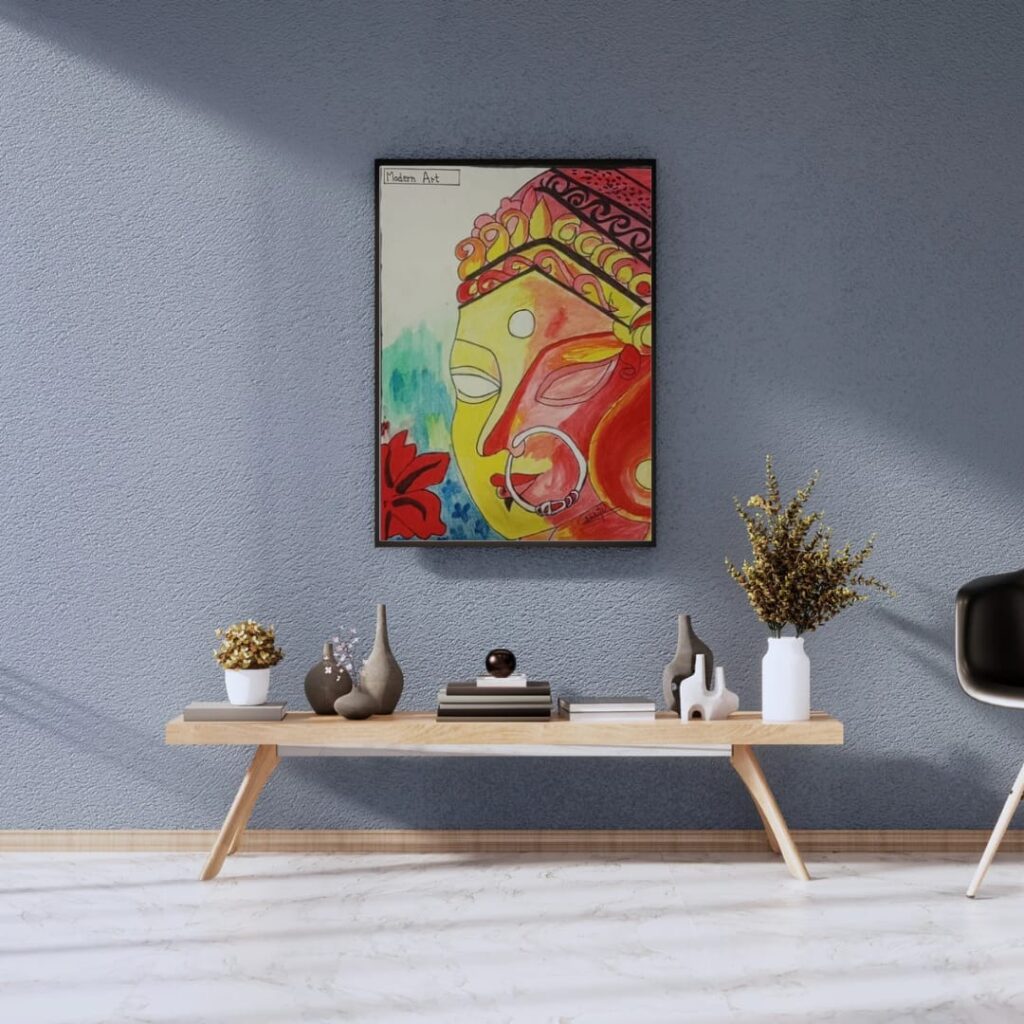
आजकल कलाकार Fusion Art पर काम कर रहे हैं, जहाँ Folk Elements को Modern Style के साथ जोड़ा जाता है।
उदाहरण:
Madhubani Style में Modern Themes
Pattachitra में Contemporary Social Issues
Digital Platform पर Folk Illustration
यह संगम भारतीय कला को वैश्विक पहचान दिला रहा है।
8. Global Platform पर Indian Art
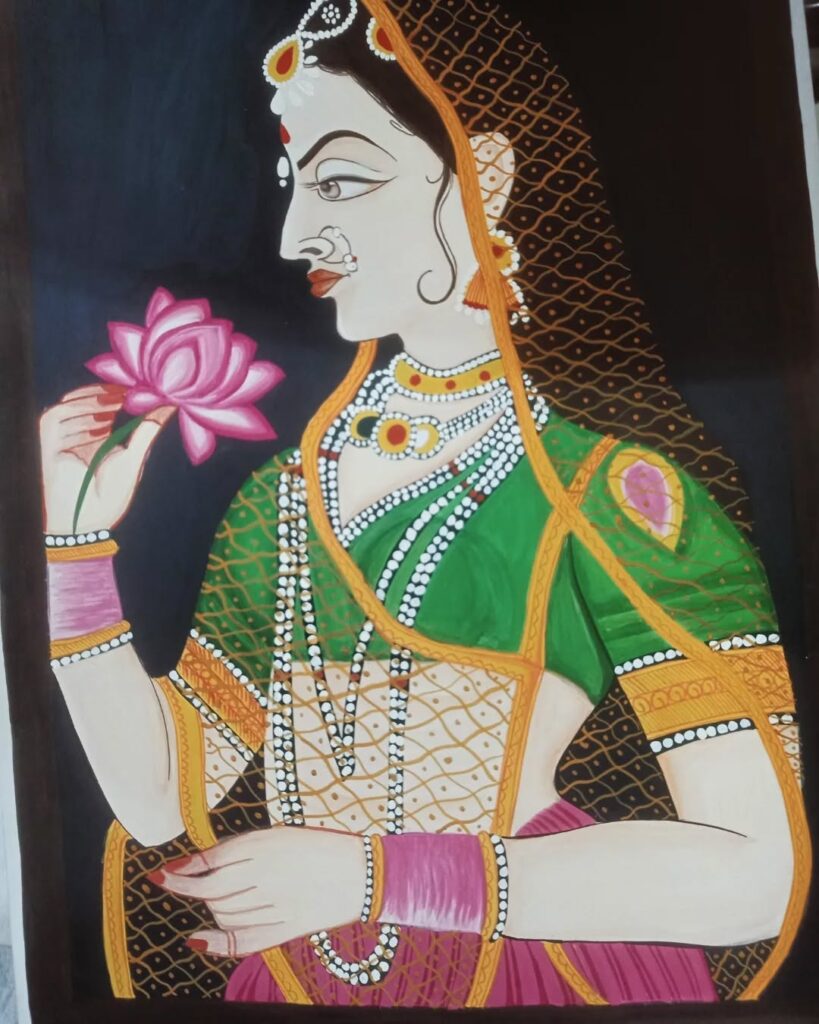
आज Indian Art केवल भारत तक सीमित नहीं है। International Art Exhibitions, Online Art Marketplaces और Social Media Platforms के माध्यम से कलाकार अपनी कला को विश्व स्तर पर प्रदर्शित कर रहे हैं।
Art Galleries, NFT Art, और Digital Marketing ने कलाकारों के लिए नए अवसर खोले हैं।
आज Art Education के माध्यम से युवा पीढ़ी Traditional Art Forms को सीख रही है। Workshops, Online Courses, और Government Schemes कलाकारों को प्रोत्साहित कर रही हैं।
यह जरूरी है कि हम अपनी Folk Heritage को संरक्षित रखें और नई पीढ़ी को इसके महत्व के बारे में जागरूक करें।
10. निष्कर्ष: कला जो समय से परे है
भारतीय कला की यात्रा Folk Art से Modern Art तक केवल शैली का परिवर्तन नहीं, बल्कि समाज के विकास की कहानी है।
Madhubani और Pattachitra जैसी परंपराएँ हमें हमारी जड़ों से जोड़ती हैं, जबकि Modern Art और Portrait Art हमें भविष्य की ओर ले जाती हैं।
कला केवल चित्र नहीं, बल्कि भावना है। यह संस्कृति है। यह पहचान है।
जब हम Indian Art को समझते हैं, तो हम केवल रंगों को नहीं, बल्कि इतिहास, परंपरा और आत्मा को समझते हैं।